Tuesday, February 24, 2026

Fact Guardian | Inside US Politics & World Affairs
Fact Guardian | Inside US Politics & World Affairs
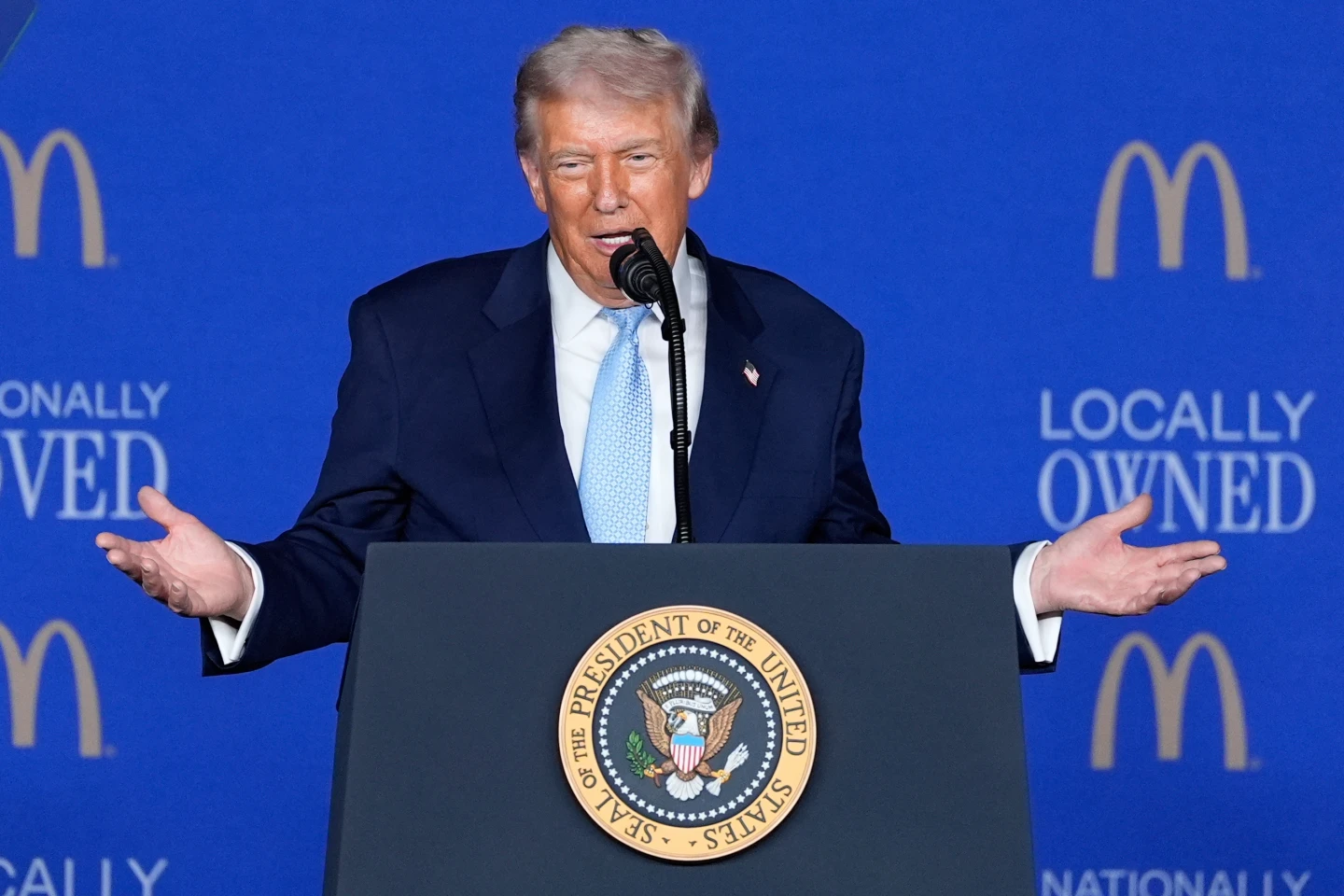
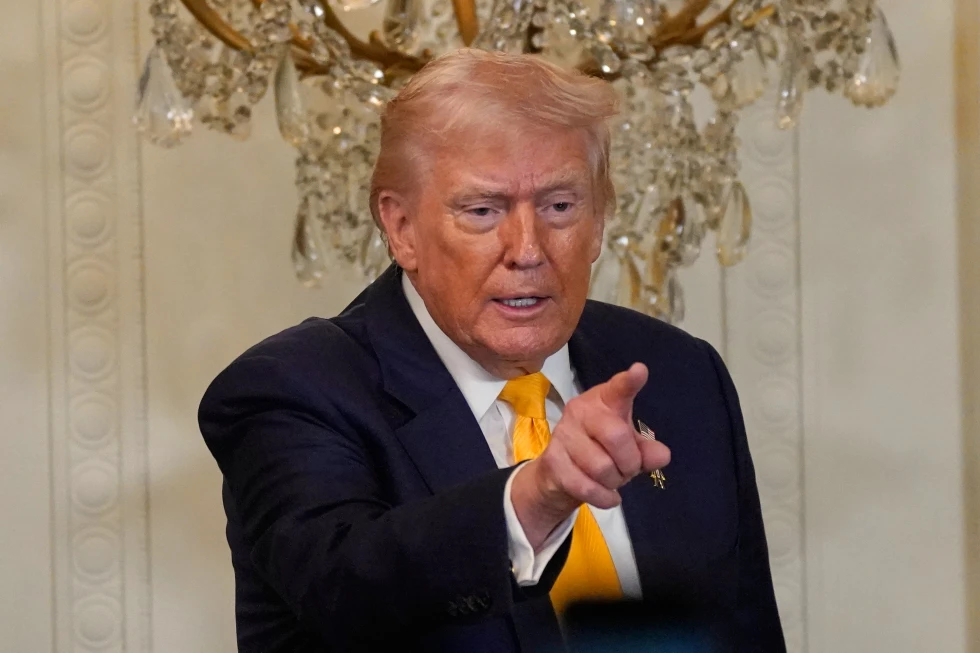
President Donald Trump gestures during a Black History Month event in the East Room of the White House, Wednesday, Feb. 18, 2026, in Washington.
WASHINGTON — New research conducted by one of the nation's most prominent banks revealed on Thursday that tariffs paid by midsized U.S. businesses increased by threefold during the previous year. This serves as additional evidence that President Donald Trump's initiative to impose higher import taxes is causing economic disruption.
In order to absorb the new expense, companies that employ a combined 48 million people in the U.S.—the types of businesses that Trump had promised to revive—have had to pass it along to customers in the form of higher prices, employ fewer workers, or accept lower profits. This has been the result of the additional taxes.
Chi Mac, the business research director of the JPMorganChase Institute, which published the analysis on Thursday, stated, "That's a significant shift in their cost of doing business." "We also observe some indications that they may be diverting their attention from transacting with China and potentially toward other regions in Asia."
The research does not specify the manner in which the supplementary expenses are being disbursed throughout the economy; however, it does suggest that tariffs are being incurred by U.S. businesses. It is a component of an expanding body of economic analyses that refute the administration's assertion that foreigners are responsible for the tariffs.
The JPMorganChase Institute report used payments data to look at businesses that might lack the pricing power of large multinational companies to offset tariffs, but may be small enough to quickly change supply chains to minimize exposure to the tax increases. The companies were classified as "middle market" if they had fewer than 500 employees and revenues between $10 million and $1 billion.
The analysis indicates that the Trump administration has been making progress in its objective to reduce its dependence on Chinese manufacturers. It is uncertain whether this indicates that China is simply routing its products through other countries or if supply chains have shifted, as the payments to China by these companies were 20% lower than in October 2024.
Companies are still adapting to the tariffs, as the authors of the analysis underscored in an interview, and they intend to continue their investigation of the matter.
The Trump administration has maintained that the tariffs are advantageous for the economy, businesses, and employees. On Wednesday, Kevin Hassett, the director of the White House National Economic Council, expressed his dissatisfaction with the New York Federal Reserve's research, which indicated that nearly 90% of the burden of Trump's tariffs was borne by U.S. companies and consumers.
The financial market experienced a crisis as a result of the high rates, which prompted Trump to retract his rates and subsequently engage in negotiations with numerous countries that resulted in the establishment of a series of new trade frameworks. It is anticipated that the Supreme Court will issue a decision in the near future regarding whether Trump exceeded his legal authority by declaring an economic emergency.
In 2024, Trump was elected on the pledge of reducing inflation; however, his tariffs have exacerbated voter dissatisfaction with affordability. Although inflation has not experienced a significant increase during Trump's tenure thus far, hiring has experienced a significant decline, and a team of academic economists has estimated that consumer prices were approximately 0.8 percentage points higher than they would have been otherwise.
"The paper is an embarrassment," Hassett stated in an interview with CNBC. "I believe it is the most unappealing paper I have ever encountered in the history of the Federal Reserve system." Presumably, the individuals associated with this paper should undergo disciplinary action.
According to researchers at the New York Fed, Trump raised the average tariff rate from 2.6% to 13% from the previous year. In April of last year, he declared an economic emergency to bypass Congress and impose a baseline tax on goods from much of the world, claiming that tariffs on certain items, such as steel, kitchen cabinets, and bathroom vanities, were in the national security interest of the country. This event was dubbed "Liberation Day."

Paul L. Mayer covers the intersection of politics, and financial policy, with a focus on how global and regional developments shape markets and everyday life.