Tuesday, June 2, 2026

Fact Guardian | Inside US Politics & World Affairs
Fact Guardian | Inside US Politics & World Affairs
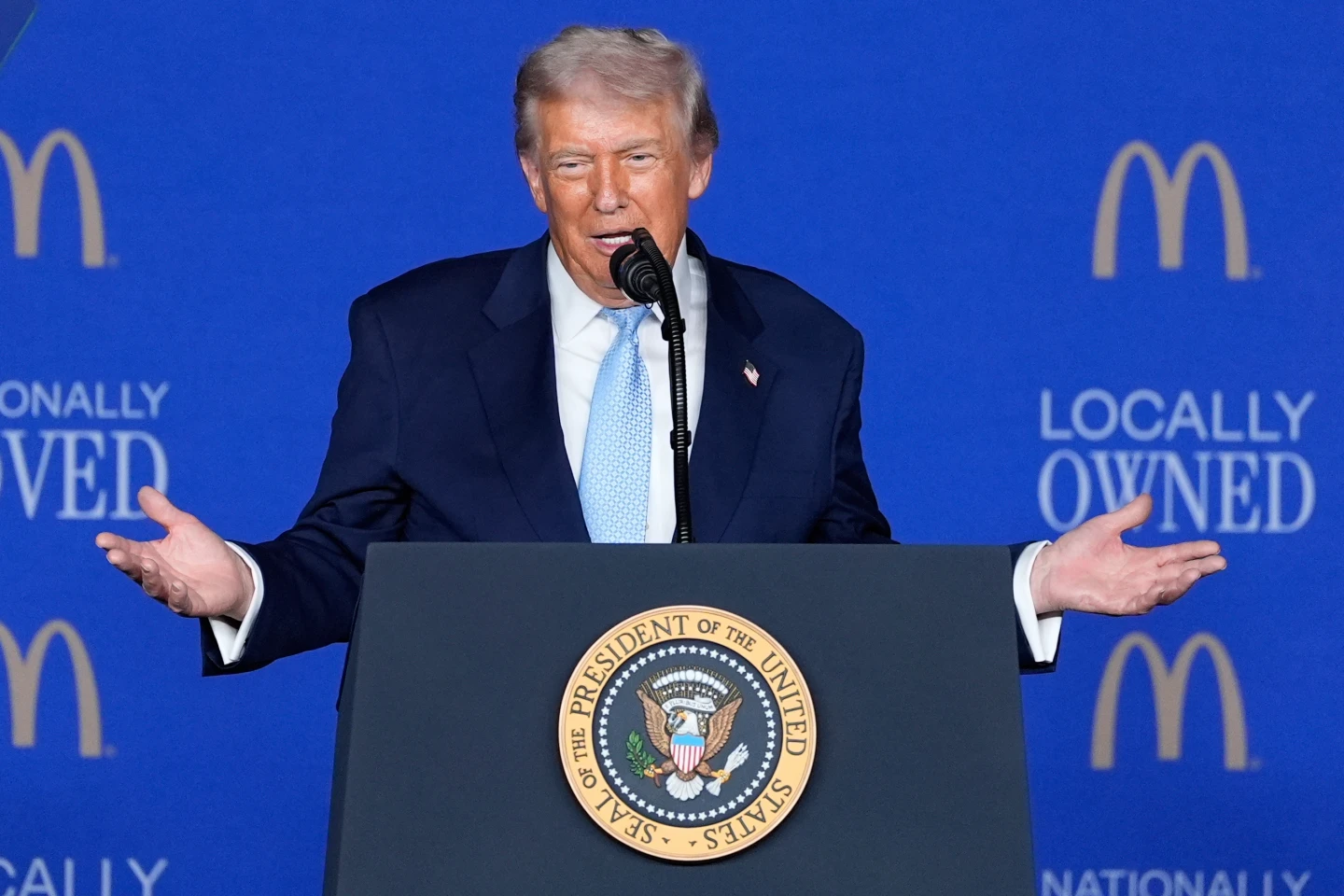
President Donald Trump said he is postponing a “major” planned military strike on Iran Tuesday at the request of Middle East allies because “serious negotiations” are underway, saying he hopes the delay lasts “for a little while, hopefully, maybe forever.”
WASHINGTON —President Donald Trump has suspended a planned Tuesday military strike on Iran, saying "serious negotiations" are ongoing to end the war.
“It looks like there’s a very good chance they can work something out. “I would be very happy if we can do that without bombing the hell out of them,” Trump said Monday evening at the White House after first revealing it in a social media post.
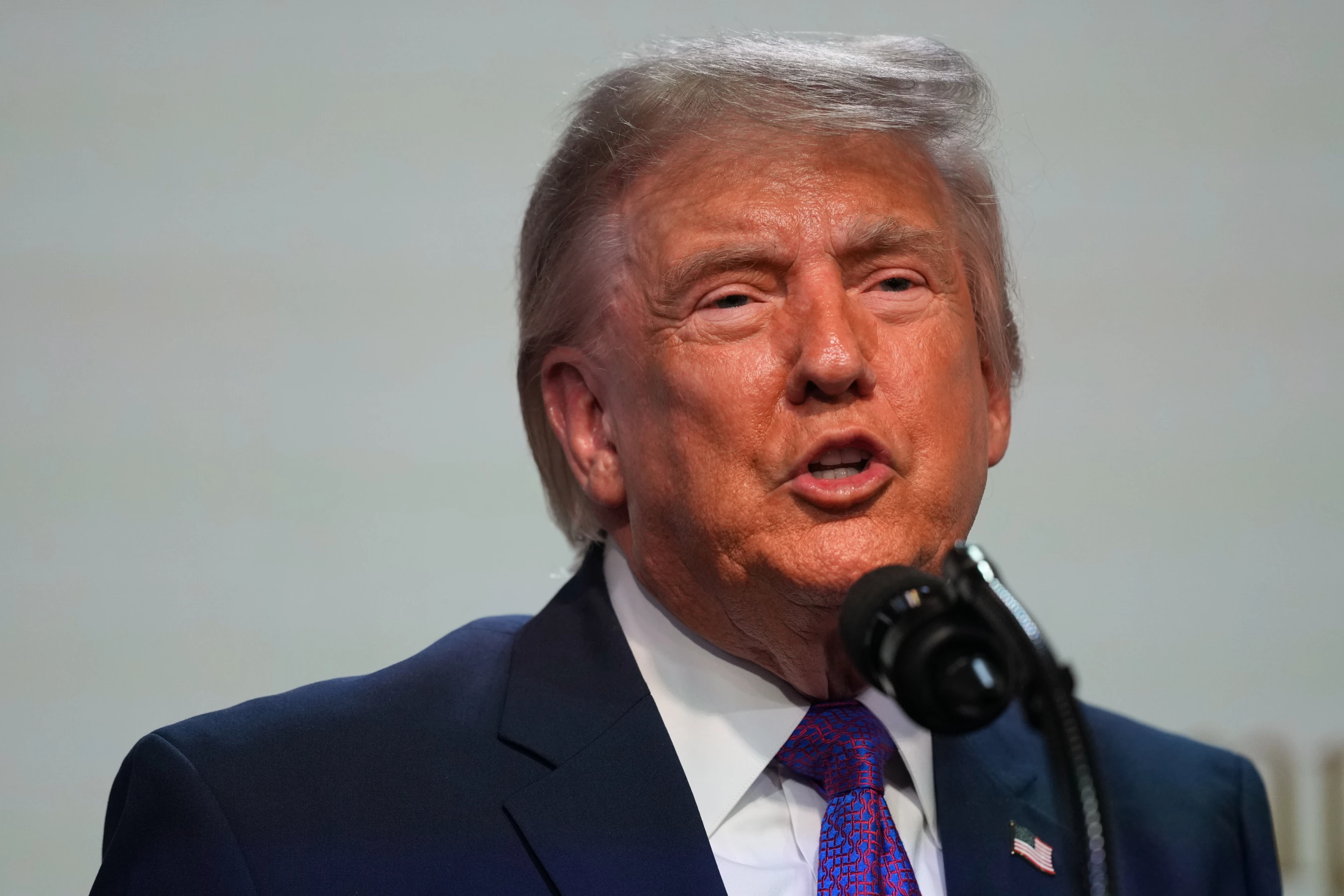
“I was planning a very major attack,” Trump remarked. “I postponed it for a little while, hopefully, maybe forever.” He claimed America’s Gulf allies begged him to wait two or three days because they believe they are close to an agreement with Iran.
Trump has been threatening to cancel the ceasefire established in mid-April if Iran does not achieve an agreement, the parameters of which have been altering constantly for weeks. He warned this weekend that “For Iran, the Clock is Ticking, they better get moving, FAST, or there will not be anything left of them.”
Tehran has often seen deadlines set by the president, only to have him back off. But he has also repeatedly said he would hold off on military action to let discussions continue, only to turn around and conduct strikes. That was the situation at the start of the war when he launched strikes in late February just after saying he would let discussions run.
Trump described the current halt for talks as a “very positive development” but said there were instances in the past when a deal seemed close but nothing ever came of it. “But this is a little different,” he said.
President, who had not disclosed he planned a strike for Tuesday, did not provide details of the planned attack but said in his social media post he had ordered the U.S. military “to be prepared to go forward with a full, large scale assault of Iran, on a moment’s notice, in the event that an acceptable Deal is not reached.”
Trump claimed he was calling off the strike at the urging of Middle East allies including the governments of Qatar, Saudi Arabia and the United Arab Emirates.
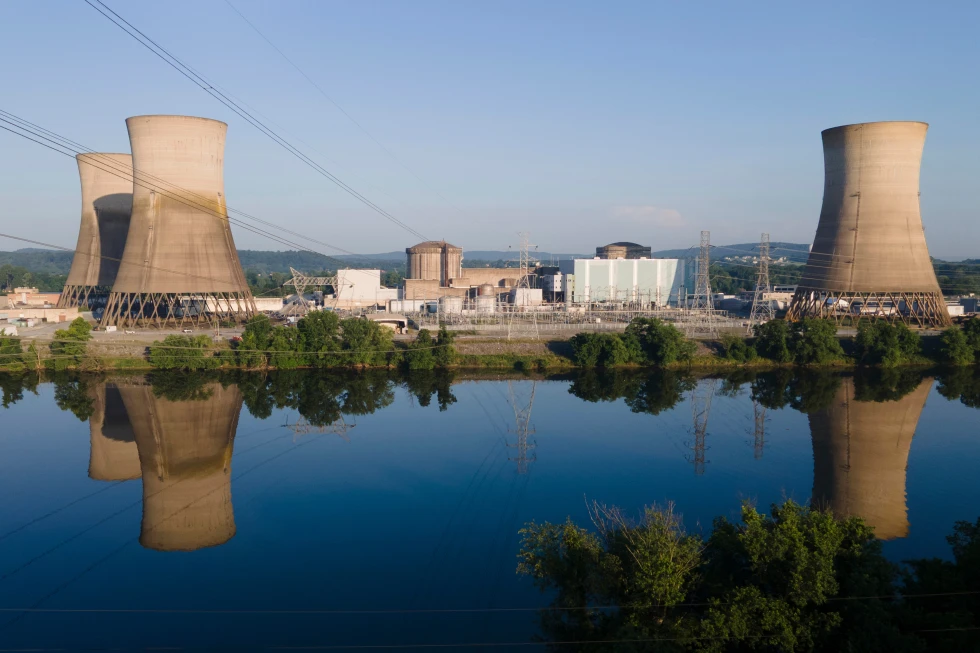
Iran and allied Shiite militias in Iraq have conducted drone strikes against Gulf Arab countries in the fight. The United Arab Emirates has also accused Iran of drone and missile strikes in violation of the ceasefire. The drone strike on Sunday started a fire on the outskirts of the UAE’s only nuclear power plant in a “unprovoked terrorist attack” without naming anyone.
Trump has also recently spoken with Israeli Prime Minister Benjamin Netanyahu and Chinese President Xi Jinping regarding the Iran war.
Oil prices plunged after Trump's announcement, having been increasing on the threat of a long standoff that would effectively shut the Strait of Hormuz.
Petroleum futures traded at $108.83 a barrel minutes before the president's declaration. His word on negotiations took more than $2 off the price almost immediately, but it creeped back up and finished at $107.25 a barrel on Monday.
Iran’s state TV termed it a “retreat” based on “fear” in its broadcast ticker and on its X account shortly after Trump’s post.
It earlier reported that defense systems were activated late Monday on Qeshm Island in the Strait of Hormuz. The situation was “under control” in the largest Iranian island in the Persian Gulf, home to around 150,000 people and a water desalination facility, it said.
Iran has virtually closed the Strait of Hormuz, a crucial route for the transport of oil, gas, fertilizer and other petroleum goods. The U.S. has blocked Iranian ports and diverted 85 commercial ships from mid-April until Monday, the U.S. Central Command wrote on social media.
Earlier on Monday, Turkey’s Foreign Minister Hakan Fidan said the immediate focus of the negotiations between the U.S. and Iran was keeping the Strait of Hormuz open but Iran’s nuclear program remained a crucial problem.
Much of Iran’s enriched uranium that may be possibly used for a nuclear weapon was buried under the tunnels that collapsed following the attacks in June that the U.S. launched alongside Israel, Fidan said at a news conference in Berlin with his German colleague. The United States has indicated it is constantly monitoring any movements around the stockpile.
“There is no situation at the moment that poses a real threat,” Fidan stated. “But for this to continue, the parties should come to a nuclear negotiation and end it amongst themselves.
The Turkish minister said he believes Iran does not object in principle to meeting nuclear standards, but added: “the question is what will be given in return, in what order and under what conditions.”
Iran’s foreign minister said Friday trust was the largest obstacle to negotiations, with talks stalled in recent weeks.
Iran, which insists it has a benign nuclear program, was reported to have offered some nuclear concessions in its latest approach to stop the war. But Trump called the proposal “garbage.”

Paul L. Mayer covers the intersection of politics, and financial policy, with a focus on how global and regional developments shape markets and everyday life.